What’s inside
- 00 The mindset shift
- 01 Company research - show them you want it
- 02 The JD is the marking scheme
- 03 The Pitch Sandwich
- 04 The Dog Belly Rub
- 05 The Cake + Cherry Method
- 06 STAR Stories
- 07 Your questions - finish on a high
- 08 Frame yourself on video
- 09 Two final gems
- 10 Before you walk in - the checklist
The mindset shift.
Most people do the company research and stop there. The missing piece is: “How do I sell myself clearly and consistently without going off track?” This pack gives you the structure.
Company research: show them you want it.
When they ask “What do you know about us?” they’re really asking you to prove intent. No answer = you’re not that bothered.

Website
What they do, what they sell, who they serve.
Messaging, tone, what they repeat their themes.
Social Media
Positioning, thought leadership, recent campaigns.
Reviews
Client testimonials, Google reviews, Glassdoor.
Competitors
Who else is in the space the landscape.
Their USP
What makes them not “just another provider”.
If they’ve mentioned it on their site, social, in a campaign or a review reference it specifically. Specifics beat platitudes every time.
The JD is the marking scheme.
Everything they’ll score you on is in the job description. Map every requirement before you walk in.
Don’t hide weaknesses against the JD - surface them with a proactive solution. A course you’ve started, a book you’ve read, a person you’ve spoken to. Honesty + initiative beats hiding every time.
Requirement: [paste from JD]
My proof: [one specific example]
What I did: [bullet the steps, “I” not “we”]
The result: [number / outcome / measurable change]
If it’s a gap, my cherry on top: [proactive action]
The Pitch Sandwich.
This is not a warm-up it’s an invitation to pitch. Build it in three layers, like a sandwich.
| Layer | Name | What it covers |
|---|---|---|
| Bread 1 | Connect | 10–15 seconds of the human you a detail that builds rapport. |
| Filling | Fit | Top-line skills + proof, matched to the job description. |
| Bread 2 | Values | Two values and what they look like in how you work. |
Bread 1: “A bit about me I’m [X], based in [Y] and outside work I’m into [interest].”
Filling: “Professionally, I’ve spent [X years] in [sector], focused on [skills]. Most relevant here, I’ve delivered [impact 1] and [impact 2].”
Bread 2: “In how I work, I value [value 1] and [value 2] which means you’ll get someone who [behaviour].”
The Dog Belly Rub.
Answer in two halves: first play to their ego (with evidence), then explain why the role fits you and how you’ll add value.
Rub their belly
Play to their ego with evidence. Their niche, reviews, clients, positioning. Specifics, not flattery.
Keep their attention
Why the role fits you. How you’ll add value. And 1–2 early ideas you’ve already had.
Part 1 (belly): “What appeals to me about you is [1–2 things] and I say that because [evidence].”
Part 2 (you): “What excites me about the role is [role elements]. I can add value because I’ve done [proof]. I’ve already got a couple of ideas around [area 1/2].”
Generic answers (“I love your values”) blur with every other candidate. Specific evidence + a couple of ideas = a candidate already thinking like an insider.

The Cake + Cherry Method.
Most people either dress a strength up as a weakness (“I’m a perfectionist”) or shoot themselves in the foot. Don’t. Do this in three steps.
Reframe
Swap “weakness” for: “Where do I need to develop to do this job better?”
Pick from the JD
Use the job description to choose a real, role-relevant development area - not a fake one.
Add the cherry
Show your proactive solution: course, guide, research, plan. Initiative beats invention.
“This question comes up a lot, so I applied it to this role. I reviewed the job description and one development area for me is [X].”
“What I’ve already done is [specific action], and if I progress I’ll [next step] so I’m fully up to speed quickly.”
STAR Stories.
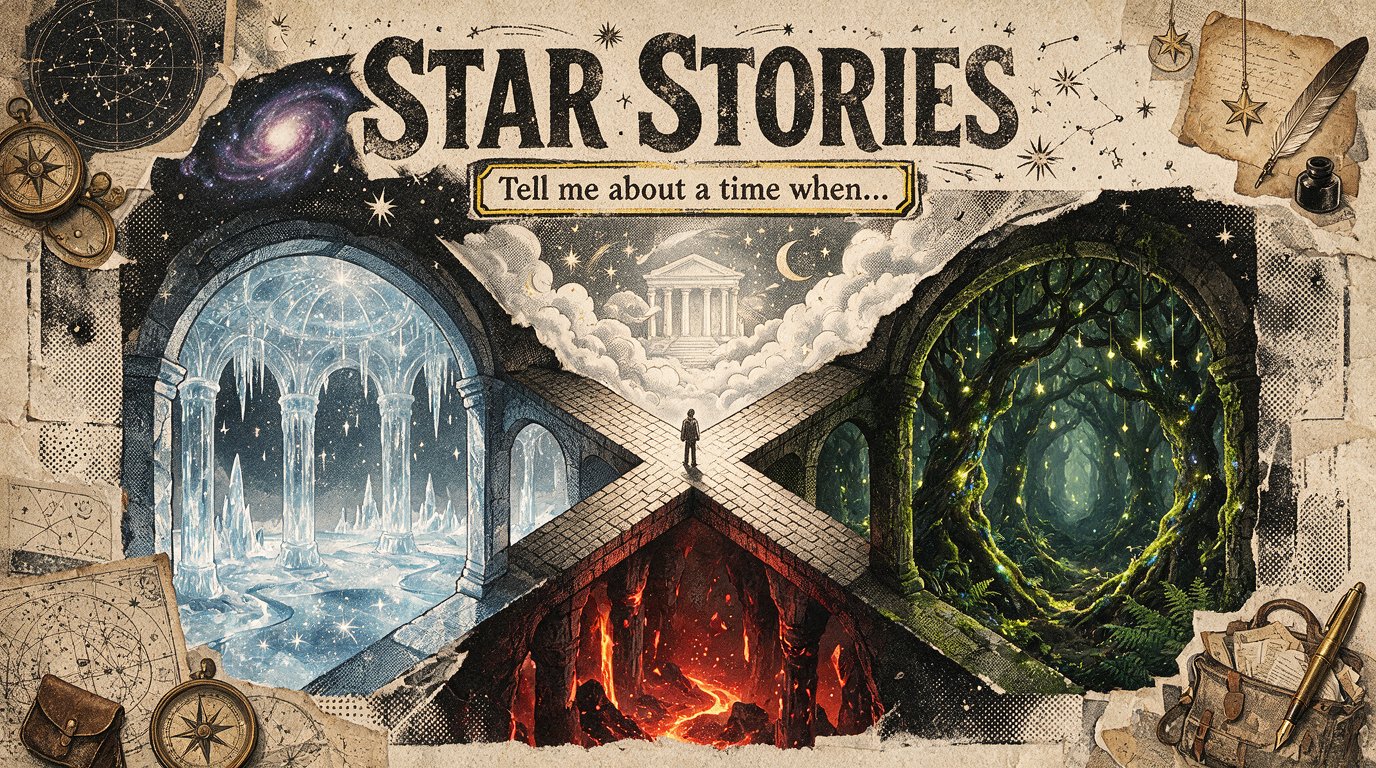
Predict likely questions from the job spec, then prepare 2–3 versatile stories that cover most scenarios. Tell each one in four parts.
Situation
The context. Set the scene briefly.
Task
What you were responsible for delivering.
Action
What you did the actual steps.
Result
Measurable outcomes. Numbers if you can.
Own it
Say “I”, not “we”. The team did things; the panel is hiring you. Make your specific actions visible.
Action is the money
Don’t rabbit-hole. Walk them through your process clearly the “A” is what they’re scoring.
Build your 2–3 stories around the most-cited competencies in the JD (leadership, problem-solving, dealing with conflict, delivering under pressure). One good story can answer three different questions.
Your questions: finish on a high.
No questions at the end signals low interest even if it isn’t true. Always prepare questions across the four types below.
About the company
Origins, niche, recent market changes, client base, strategy and direction.
About the job
90-day expectations, biggest challenges, opportunities, tools and systems.
About the interviewers
Their roles, what’s changed for them, the biggest business challenge they face.
About you (in this role)
Transferability of your experience, anything they want you to clarify about fit.
“What would I find most challenging in the first three months?”
“What are your expectations of me in the first 90 days?”
“Where do you see the biggest opportunity in [function] right now?”
“Which systems matter most day-to-day CRM, email, design tools?”
“How long have you been here and how has the business evolved in that time?”
“Based on our conversation so far, is there anything you’d like me to clarify about my fit?”
Frame yourself on video.
Video interviews are tougher than in-person less body language, less rapport built in. Sort these five things and you’ll land with confidence.
Camera
Eye level, centred. No tilted laptop angles raise it on books if needed.
Lighting
Face lit from the front, not the back. A window or ring light works.
Dress
Match the role. Look like you already belong there.
Backdrop
Neutral but not empty. Add one tasteful point of interest.
Energy
Colour, sunshine, greenery a subtle lift that keeps the conversation warmer.
A good backdrop doesn’t distract it helps connection. A music print, a piece of tasteful artwork or a plant can build rapport and lift your on-screen energy without pulling focus from what you’re saying.
Two final gems.
Two small habits that can change the whole feel of an interview without changing a word of what you say.
Stay on message
Talkative roles create a temptation: too much to say. Listen properly. Answer the question that was asked. Notice yourself drifting and bring it back.
Smile is a weapon
Professional doesn’t mean painfully serious. Smiling lifts your confidence, warms your tone and raises likeability the deciding factor when two candidates are otherwise equal.
Before you walk in.
Company research done Website, LinkedIn, social, reviews, competitors, USP.
JD mapped Proof, actions, results for every requirement.
Pitch Sandwich written Three layers, rehearsed out loud.
STAR stories ready 2–3 versatile examples that cover most prompts.
Cherry on top prepared Real development area + proactive action.
Your questions chosen At least one of each of the four types.
Now go and smash it.
Prepare like a performance. Research that wows, answers with structure, a cherry on top that’s how you stop wasting questions and start scoring points.
- Stand-up comedy, not a chat prepared material, structure, rehearsal
- The job description is the marking scheme. Map proof, actions, results
- Pitch Sandwich. Belly Rub. Cake + Cherry. STAR use the frameworks
- Always finish on a high with thoughtful questions
- Stay on message. And smile it’s a weapon